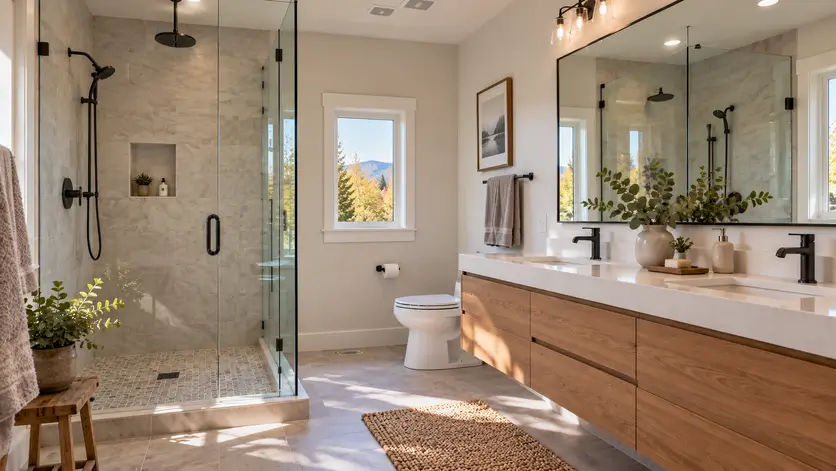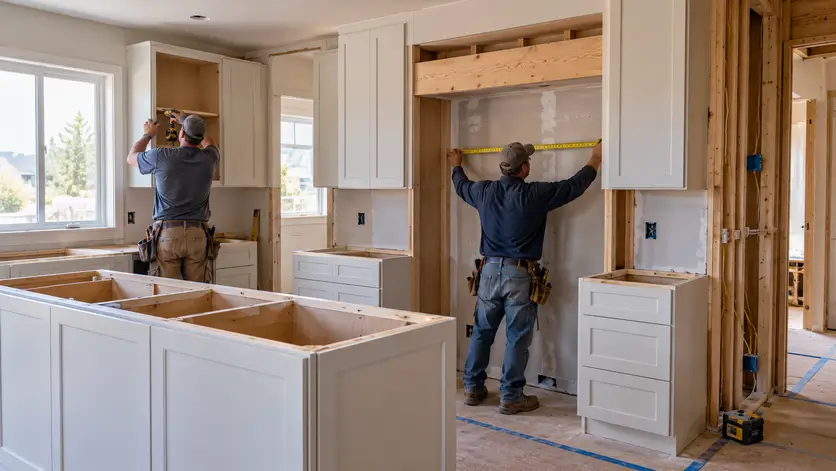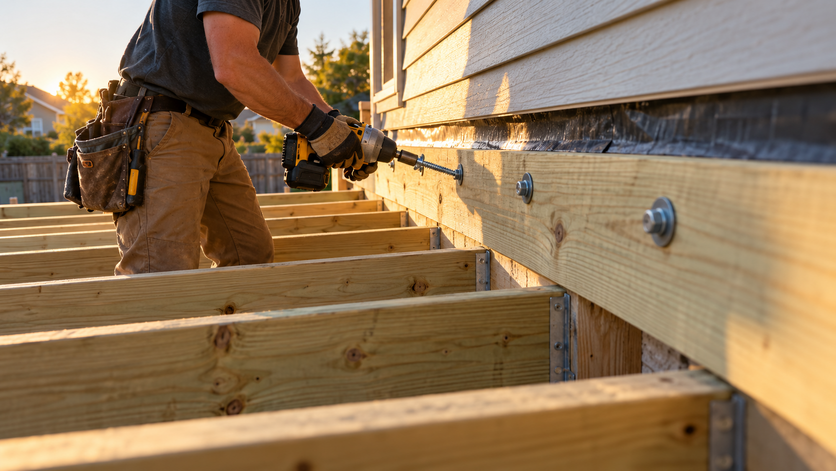
Nationally, renovating a house typically runs $15 to $60 per square foot, with homeowners spending an average of $52,150, according to HomeAdvisor’s house renovation cost guide. Where your 1,500 square feet lands in that range depends on how much of the house you change. This page walks Treasure Valley homeowners through what moves that number and how to get a price for your own house.
Key Takeaways
- Treat the national ranges as a starting check, then price your kitchen and bathrooms against local room-by-room numbers.
- Schedule the work from the structure inward, so walls close only after everything hidden behind them is in place.
- Ask every contractor for a written, room-by-room scope before any price, so the quotes you compare cover the same work.
- If your house was built before 1978, confirm the contractor’s firm holds EPA lead-safe certification before painted surfaces are disturbed.
- Pay to fix leaks and failing wiring before choosing finishes, since anything installed over an unsolved problem gets paid for twice.
Which rooms and systems cost the most to remodel?
Nationally, the cost guides price the whole house rather than one room, and their typical ranges sit side by side below.
| Source | What it prices | Region | Typical range |
|---|---|---|---|
| HomeAdvisor’s house renovation cost guide | Whole house remodel | National | $19,469 to $88,348; anywhere from $3,000 to $190,000; $52,150 average; $15 to $60 per sq ft |
| HomeGuide’s house remodeling cost guide | Renovating rooms | National | $20,000 to $100,000 average; $15,000 to $40,000 mid-range; $15 to $60 per sq ft |
Local numbers for kitchen remodel costs in Boise and the Treasure Valley and Treasure Valley bathroom remodel costs are broken out room by room. If roofing, siding or windows are on your list, exterior remodeling costs in Idaho are priced separately. Your own figure comes from a quote built on your house.
In what order should the work on a whole-house renovation happen?
Work runs from the structure inward. Anything that ends up hidden behind finished walls goes in before those walls close, and finishes come last so the rougher trades cannot damage them.
- Demolition. Old finishes and fixtures come out. In a home built before 1978, the EPA’s Lead Renovation, Repair and Painting Program requires lead-safe work practices for renovations that disturb paint, which can change the scope and cost of this first stage.
- Structure. Walls that move and new openings get framed, along with repairs to any rot or sagging that demolition exposes.
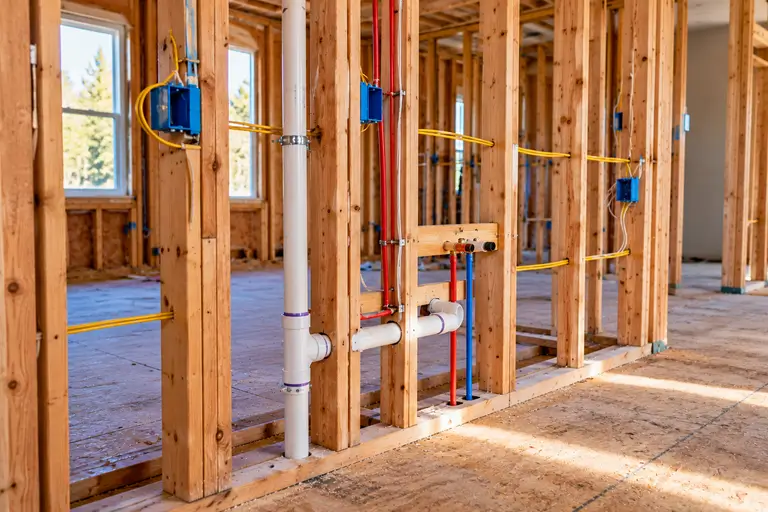
- Rough-in. Plumbing and wiring run through the open walls and floors. HVAC ductwork goes in at the same stage.
- Close-up. Insulation and drywall go up only after the building department inspects and approves the rough-in.
- Finishes. Cabinets and flooring go in, then paint and trim, then fixtures and appliances.
How do you get a scoped quote from a local remodeling contractor?
Ask for a written scope before you ask for a price. A quote is only as good as the room-by-room list behind it. Walk the house with the contractor and name every room and system you want touched, so each bid you collect covers the same work. The written quote should list each room with its trades and materials. It should also mark any allowance (a set dollar amount held for an item you have not picked yet, such as tile or a vanity) so you can see where the final cost could move. Ask what is excluded, too. Before you sign, confirm the contractor’s registration with Idaho’s Contractors Board, which governs contractor registration and licensing for remodeling work across Idaho.
What else moves the price, from the home’s age to hidden problems and permits?
Beyond size, four things shift the total, and each one gives you a question to settle before work starts.
- The home’s age. If the house was built before 1978, ask whether the contractor’s firm holds EPA lead-safe certification. The EPA’s Renovation, Repair and Painting program page explains how firms apply for or update it.
- Hidden conditions. Some problems only show once walls and floors come open. Ask how the contract prices work found after demolition, so a surprise becomes a change order (a signed addition to the contract with its own price) before anyone does the work.
- Materials. The grade of cabinets, tile and fixtures you pick sets the finish lines in each room’s quote.
- Permits. The building department of the city or county where the house sits sets permit rules and fees.
Setting your budget: what to do first and which upgrades pay back
Fund what the house needs before what you want. Anything failing, such as a leak or worn wiring, comes first, because finishes laid over a problem get torn out later. Hold back a reserve for what demolition uncovers. Which upgrades pay back at resale depends on what comparable homes on your street already offer and how long you plan to stay. If the total outruns your savings, compare ways to finance a home remodel in Idaho before cutting scope.
What does renovating mean here: a refresh, room remodels or a full gut?
“Renovating” covers three different jobs, and knowing which one you mean shapes every quote you collect.
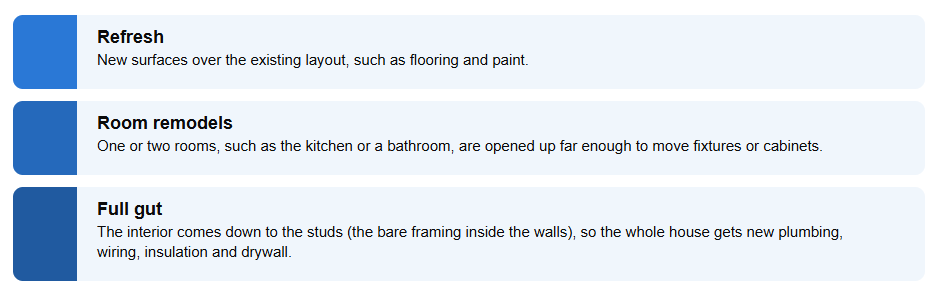
Our interior remodeling work covers kitchen remodeling and bathroom remodeling. Russ DeArment, one of our co-owners, came up through structural construction and finish work, the two ends a full gut spans.
How do contractors price a whole-house renovation: per square foot or by room?
A per-square-foot number is a quick way to size a budget. It also spreads cost evenly across a house where the cost is not even.
Pricing room by room shows the gap. HomeGuide’s house remodeling cost guide puts dry rooms (rooms without plumbing, such as bedrooms) at $10 to $25 per square foot to remodel and wet rooms like kitchens and bathrooms at $100 to $250 per square foot to renovate. HomeGuide’s house remodeling cost guide puts the average cost to remodel a whole 1,200 square foot house at $18,000 to $72,000 and a 2,000 square foot home at $28,000 to $115,000, so a 1,500 square foot house falls between those two sizes.
Where yours lands depends on how many of its square feet sit in wet rooms and how far each room gets opened up. To get a price built on the rooms in your house, contact Good Vibes Construction or call us at (208) 995-5505.
Frequently Asked Questions
Is it cheaper to remodel a house or build a new one?
Remodeling usually costs less than building new. For a house that is beyond repair, HomeGuide’s house remodeling cost guide puts the average cost to tear down and rebuild at $125,000 to $450,000, or $104 to $165 per square foot. A new build typically runs $350,000 to $800,000 before land and site prep, according to HomeGuide figures cited in HomeLight’s gut-and-remodel article.
Sources
- Contractors Board – Division of Occupational and Professional Licenses, Idaho Division of Occupational and Professional Licenses, Contractors Board, retrieved 2026-10-13.
- Lead Renovation, Repair and Painting Program | US EPA, U.S. Environmental Protection Agency, retrieved 2026-10-13.
- How Much Does a House Renovation Cost? [2025 Data], homeadvisor.com, retrieved 2026-10-13.
- How Much Does It Cost to Remodel a House? (2026), homeguide.com, retrieved 2026-10-13.
- Total Makeover: What’s the Cost of Gutting a Home and Remodeling?, homelight.com, retrieved 2026-10-13.