If you’re considering a deck installation in the Boise area, you’ve likely noticed that pricing can vary widely. That’s because deck costs aren’t one-size-fits-all. Factors like materials, size, design complexity, and site conditions all play a role in determining the final investment.
Understanding how the cost of deck installation is calculated helps you plan realistically, avoid surprises, and make choices that fit both your home and budget. Below, we’ll walk through what affects pricing in Idaho, what typical cost ranges look like, and how to approach your project with confidence.
Primary Factors That Affect Installation Cost
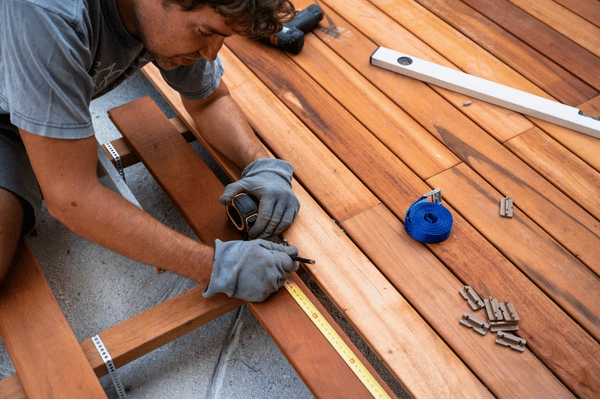
Why do deck installation costs vary in Idaho? Several core elements shape the final price of a deck project. Climate considerations, material availability, local labor rates, and permitting requirements all influence pricing.
DeckSize and Overall Square Footage
Deck size has one of the biggest impacts on cost. Larger decks require more materials, labor cost to build a deck per square foot, and structural support. While deck cost per square foot is often used as a starting point, total pricing increases as size, complexity, and features are added.
Decking Materials and PriceDifferences
The type of decking you choose shapes not only the upfront cost of your project, but also how much time and money you’ll spend maintaining the deck over the years. Materials differ in how they handle moisture, sun exposure, foot traffic, and long-term wear, which is why price gaps between options are more than just marketing.
Common deck material options include:
- Pressure-treated wood: More affordable upfront, higher maintenance
- Composite decking: Higher initial cost, lower long-term maintenance
- PVC decking: Premium durability and moisture resistance
While wood decks can be easier on the initial budget, composite and PVC often provide more predictable long-term ownership costs. When comparing estimates, homeowners should look beyond installation price and consider how often each material will need cleaning, sealing, or replacement over the life of the deck.
Railing Systems and Safety Features
Railing choices have a bigger impact on deck cost than most homeowners expect because they affect both labor and materials. Railings aren’t just decorative. They are structural safety systems that must meet height, spacing, and load-resistance requirements, which means more complex designs take longer to install and require more precise construction.
Common railing options include:
- Wood or composite railings
- Aluminum or cable rail systems
- Glass panels or custom designs
Because railings run around the perimeter of the deck and along stairs, even small upgrades can significantly change the total price. Homeowners should balance aesthetics, safety, and maintenance expectations when selecting a railing system, not just the initial quote.
How Design Complexity Influences Pricing
Deck design ideas play a major role in how much it will cost to build a deck, as layout, features, and structural requirements directly affect materials and labor.
Simple vs. Custom DeckLayouts
Simple rectangular decks are the most cost-effective. Custom layouts with curves, angles, or non-standard shapes require additional framing, cutting, and labor, which increases the overall deck installation cost.
Multi-Level Decks and Elevation Changes
Decks with multiple levels or elevation changes add structural complexity. Extra framing, stairs, and support systems raise both material and labor cost to build a deck, especially on sloped properties.
Built-In Features and Upgrades
Built-in features are what turn a basic deck into a true outdoor living space, but they also add complexity, labor, and material cost. Unlike freestanding furniture, these elements must be framed, fastened, and weather-protected as part of the deck structure, which means they affect both construction time and long-term performance.
Common built-in upgrades include:
- Built-in seating or benches
- Planters or privacy walls
- Integrated lighting
- Shade structures or pergolas
These upgrades can dramatically improve comfort and usability, but they should be planned early so they’re properly supported and included in the budget rather than added as expensive afterthoughts.
Labor, Permits, and Site Conditions in Idaho
Deck pricing in Idaho isn’t driven by materials alone. Local labor availability, permit requirements, and the physical conditions of your property can change both the timeline and the total cost of a build. A simple backyard deck on flat ground is very different from a multi-level structure on a sloped lot or a home that requires engineering and inspections. These behind-the-scenes factors are often where estimates rise or fall, and understanding them helps explain why two similar-looking decks can have very different price tags.
Design-Build Labor Costs
Design-build projects combine planning and construction under one team. Labor costs reflect skilled craftsmanship, coordination, and project management. More complex decks require additional labor hours and specialized expertise.
Permits and Local Building Codes
Most deck installations in Boise require permits. Permit fees, inspections, and code compliance add to the overall cost but protect homeowners from future issues and ensure safety.
Site Accessibility and Terrain
Where your deck is built can affect cost just as much as what it’s built from. Crews need room to move materials, set posts, and work safely, and not every property makes that easy. A wide-open, level yard allows for faster installation and lower labor time, while tight access, slopes, or obstacles slow everything down and require extra planning.
Factors that commonly increase labor and equipment needs include:
- Steep or uneven terrain
- Limited access to the backyard
- Nearby utilities or obstructions
- Tree removal or grading requirements
These conditions don’t make a project impossible, but they do change how it has to be built. That’s why site evaluations are a critical part of an accurate deck installation estimate.
Average Deck Cost Per Square Foot in Idaho
While exact pricing depends on design, materials, and site conditions, many homeowners use per-square-foot ranges as a starting point when planning a deck project in Idaho. A detailed on-site estimate is the best way to determine accurate pricing for your specific project.
Budget-Friendly Decks
Budget-conscious decks typically fall in the $15–$25 per square foot range. These projects often feature:
- Pressure-treated wood
- Simple, ground-level layouts
- Standard railings and minimal upgrades
This option works well for homeowners who want functional outdoor space without extensive customization or long-term material upgrades.
Mid-Range DeckInstallations
Mid-range decks commonly range from $25–$40 per square foot, depending on materials and design details. These installations may include:
- Composite decking or upgraded wood options
- Enhanced railing systems
- Integrated lighting or modest design features
This category offers a balance between upfront cost, durability, and visual appeal, making it a popular choice for long-term homeowners.
High-End Custom Decks
High-end decks often start around $40 per square foot and can exceed $60+ per square foot for fully custom projects. These designs typically involve:
- Premium composite, PVC, or hardwood materials
- Multi-level layouts or complex framing
- Built-in seating, lighting, or architectural details
These projects represent a higher investment but deliver a highly personalized outdoor living space.
What Those Deck Prices Actually Look Like
While every project is unique, the examples below reflect common deck types seen in Boise and across Idaho:
- Small deck installation: A compact, straightforward deck using basic materials often falls in the lower five-figure range, making it an affordable outdoor upgrade with minimal site work.
- Medium-sized composite deck: A mid-sized composite deck typically lands in the mid–five-figure range, offering a balance of durability, appearance, and long-term value.
- Large multi-level custom deck: Multi-level decks with premium materials, built-in features, and complex layouts can move into the upper five figures or beyond, depending on design and site conditions.
Seeing projects this way helps you decide what level of build actually fits your home and how you plan to use the space, not just what the price range looks like on paper.
Benefits of a Design-Build Deck Installation Approach
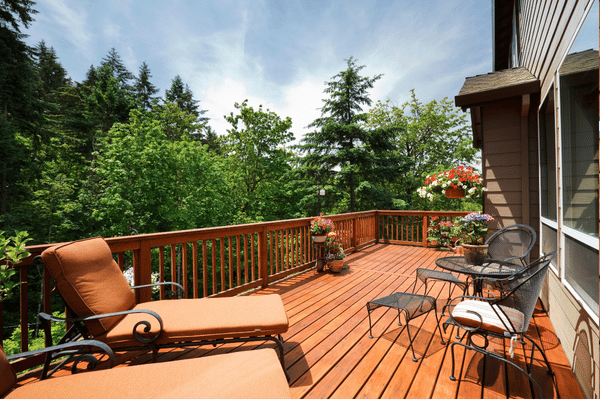
When you choose a design-build approach for your project, you gain a clearer understanding of the cost of deck installation while working with one team from concept to completion.
One Team From Concept to Completion
With a single team managing both design and construction, ideas translate more accurately into the finished deck. This continuity reduces miscommunication, shortens timelines, and keeps the original vision intact throughout the build.
Better BudgetControl
Design-build allows costs to be considered early in the planning phase. As design choices are made, pricing is evaluated in real time, helping homeowners make adjustments before construction begins and avoid unexpected expenses later.
Local Expertise
Local design-build professionals understand Boise’s climate, building codes, and permitting requirements. Their familiarity with regional conditions helps ensure decks are built correctly, approved efficiently, and designed to perform well long-term.
How to Get an Accurate DeckInstallation Estimate
Getting an accurate deck installation estimate starts with preparation. Clear priorities, thoughtful comparisons, and detailed quotes all help homeowners avoid surprises and plan with confidence.
1. Define Your Priorities Early
Before requesting estimates, clarify what matters most for your project. Knowing your preferred materials, approximate size, intended use, and budget range allows contractors to provide pricing that reflects your real goals rather than rough assumptions.
2. Compare Local Design-Build Contractors
Comparing experienced local design-build contractors helps you understand differences in approach, communication, and value, not just price. Reviews, referrals, and consultations offer insight into how well a contractor understands your project and local requirements.
3. Request Detailed Written Quotes
Written estimates should clearly outline materials, labor scope, timelines, and warranty coverage. Detailed quotes make it easier to compare proposals side by side and reduce the risk of unexpected costs once construction begins.
Important Things to Confirm Before You Build
Before construction begins, we recommend confirming a few key details:
- Permit requirements
- Final design specifications
- Budget contingencies
- Site preparation needs
Taking time to review these items helps prevent delays, unexpected costs, and misunderstandings, ensuring your deck project moves forward exactly as planned and delivers the results you expect.
Turning DeckPlans into a Smart Investment
Deck installation costs in Boise aren’t driven by square footage alone. Materials, layout, elevation changes, permitting, and site conditions all shape what a project really costs and how well it performs over time. That’s why estimates based only on “price per square foot” rarely tell the full story.
Good Vibes Construction helps Boise homeowners move from rough numbers to real clarity. By evaluating your yard, layout, goals, and budget together, our team provides pricing that reflects how your deck will actually be built, not just what it looks like on paper.
If you’re planning a new deck or replacement, the next step is a professional, on-site estimate from a local builder who understands Boise codes, climate, and construction realities. Contact Good Vibes Construction to schedule your deck consultation and get a clear, honest quote for your home.
Frequently Asked Questions
1.What materials are commonly used for deck construction in Boise?
Homeowners typically choose from pressure-treated wood, composite decking, cedar, or redwood. The right choice depends on your budget, maintenance preferences, and long-term plans for the deck.
2. How long does a typical deck installation take?
Most deck installations take one to two weeks once construction begins, though timelines vary based on size, design complexity, and site conditions. Simple ground-level decks move faster, while multi-level or custom designs require additional framing and detailing.
3. How much does an outdoor kitchen remodel cost?
Spring and summer are peak seasons, which may lead to higher labor demand and tighter schedules. Late fall or early spring projects sometimes offer more flexibility and, in some cases, better pricing. While material costs don’t always change significantly, scheduling during slower periods can help homeowners secure earlier start dates and potentially lower overall costs.
4. Can deck installation costs be financed?
Many homeowners choose to finance deck projects rather than pay the full cost upfront. Options may include contractor financing, home equity loans, or personal loans. Financing can make larger or more durable upgrades manageable, but it’s important to consider interest rates and repayment terms.
5. What maintenance should I expect after my deck is installed?
Wood decks typically need regular cleaning, sealing, or staining to protect against moisture and sun exposure. Composite and PVC decks require less upkeep, usually limited to routine cleaning. Regardless of material, homeowners should periodically inspect railings, fasteners, and boards to address small issues before they become costly repairs.
6. How does site terrain affect deck installation pricing?
Uneven terrain, slopes, or limited access can significantly increase installation costs. Hillside lots often require deeper footings, additional structural support, and more labor hours. Site preparation, such as grading, tree removal, or utility adjustments, also adds to the overall investment.