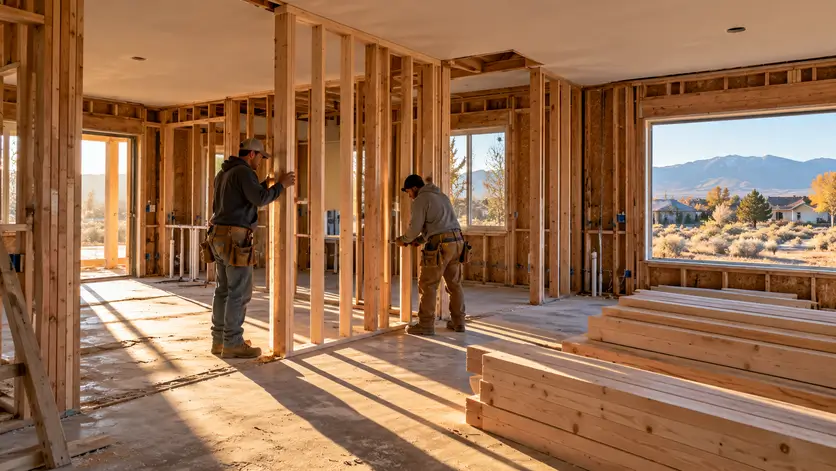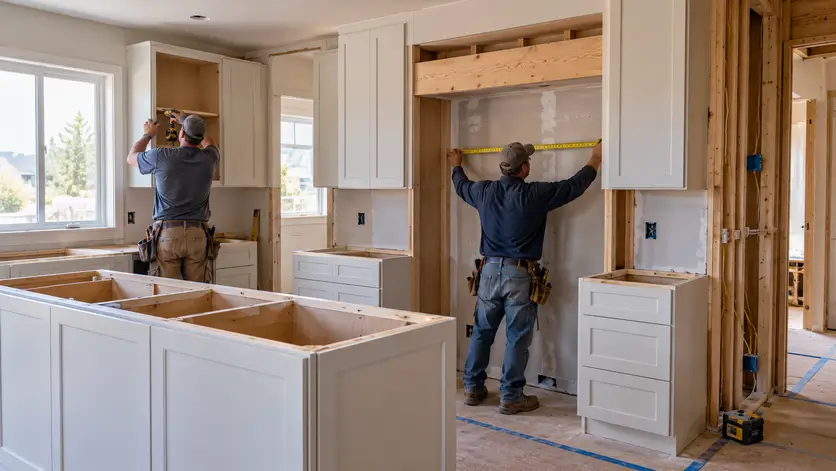
Transforming your backyard into a fully functional outdoor kitchen is about more than just adding appliances. It’s about creating an extension of your home where cooking, entertaining, and relaxing come together seamlessly. Every choice you make, from layout to materials and utilities, influences the final experience. A well-planned remodel ensures functionality, durability, and enjoyment for years to come.
Let’s walk through the steps you’ll need to take to design and build an outdoor kitchen that fits your lifestyle and how to navigate the specifics of a strong outdoor kitchen makeover.
What Is Included in an Outdoor Kitchen Remodel?
An outdoor remodeling project can transform your backyard into a culinary and entertainment hub. Unlike building a new outdoor kitchen from scratch, a remodel updates an existing space with modern appliances, durable countertops, cabinetry, and seating areas. It enhances functionality, elevates aesthetics, and increases your property value while creating the perfect gathering spot for friends and family.

Why Homeowners Choose an Outdoor Kitchen Makeover
Homeowners invest in an outdoor kitchen for several reasons:
- Entertaining: Hosting outdoor gatherings becomes easier and more enjoyable.
- Home value: Outdoor kitchen spaces are attractive to buyers, providing a potential increased return on investment.
- Lifestyle: Cooking and dining outdoors encourages relaxation and family time.
Modern appliances, well-planned layouts, and durable materials can combine to create a space that is both practical and stylish.
Planning a Kitchen Remodel for Your Outdoor Space
Careful planning sets the foundation for a successful outdoor kitchen remodeling project. You’ll need to define your goals, budget, and location early to create a functional and enjoyable space.
Define Your Outdoor Kitchen Goals
Before starting, clarify your objectives. Are you focused on entertaining, cooking, or creating a relaxing retreat? Work with professional designers to refine your vision and prioritize essential features such as seating, appliances, and prep areas. This ensures your project aligns both aesthetically and functionally.
Set a Realistic Budget
Budgeting is critical to avoid surprises. Costs depend on materials, appliances, labor, and design complexity. Most outdoor remodels range from $5,000 to $30,000, depending on size and features. Include a 10–20% contingency fund for unexpected expenses. If you’re hiring a kitchen remodeling contractor in Boise, request multiple quotes to compare pricing and services.
Choose the Best Location
Select a location that balances convenience, wind exposure, sun, and flow with your existing outdoor space. Consider its proximity to your home, access to utilities, natural drainage, and views. Thoughtful placement ensures maximum usability and comfort.
Designing Your Outdoor Kitchen
Designing an outdoor kitchen starts with how you plan to use the space and how much room you have. The proper layout makes cooking and entertaining easier, while the right features add convenience and comfort. Just as important, choosing durable, weather-resistant materials helps ensure your outdoor kitchen holds up over time.
With those basics in mind, the design process typically comes down to three key decisions: layout, essential features, and materialssuitable fore outdoor conditions.
Popular Outdoor Kitchen Layouts
- L-Shaped: Efficient corner use
- U-Shaped: Offers maximum prep and storage space
- Galley: Ideal for narrow areas
- Island: Encourages social interaction
Choose a layout that fits your space while enhancing functionality and movement.
Must-Have Features and Appliances
Include essentials in your outdoor kitchen remodel such as:
- High-performance grill
- Outdoor refrigerator
- Counter space for prep
- Sink for convenience
- Optional pizza oven or smoker
Prioritize features that complement your cooking style and entertaining needs.
Choosing Durable Materials
Opt for materials that withstand weather and frequent use:
- Countertops: Granite, quartz, or concrete
- Cabinetry: Weather-resistant stainless steel or composite
- Flooring: Porcelain tiles, sealed concrete, or stone
Durable materials protect your investment and maintain aesthetic appeal.
Outdoor Kitchen Utilities and Infrastructure
Plan for additional water supply, gas lines, and electrical outlets. Proper drainage around your outdoor kitchen area will prevent water damage, and well-placed lighting will enhance both safety and ambiance. Compliance with local building codes is also essential; verify the requirements before installation.
How to Build an Outdoor Kitchen Step by Step
Building an outdoor kitchen is easier when you follow a precise sequence. From preparing the site to installing utilities, constructing the structure, and finishing with appliances, each step ensures a safe, functional, and beautiful outdoor cooking space.
Step 1 – Prepare the Site
Clear debris, level the ground, and mark your kitchen layout. Consider drainage, sun exposure, and workflow for cooking and entertaining.
Step 2 – Install Utilities
Connect electrical, plumbing, and gas lines in accordance with code. Professional installation ensures safety and reliability.
Step 3 – Build the Kitchen Structure
Frame durable cabinets and countertop bases using treated lumber or steel. Add weather-resistant finishes and prepare spaces for appliances.
Step 4 – Install Appliances and Finishes
Position grills, sinks, and refrigerators. Connect utilities, add countertops and storage, and finalize finishing touches.
DIY vs Hiring Outdoor Kitchen Designers

Choosing between a DIY approach and hiring a professional can shape the outcome of your outdoor kitchen. While DIY offers flexibility and hands-on control, working with a contractor ensures expertise, efficiency, and a polished, long-lasting result.
When DIY Makes Sense
- You have design and construction skills.
- The project is small or modular.
- You want to save on labor costs.
Benefits of Hiring a Kitchen Remodeling Contractor in Boise
- Ensures code compliance.
- Access to high-quality materials and tools.
- Professional design expertise.
- Faster, safer, and more durable results.
For complex layouts or high-end appliances, hiring professionals often saves time and prevents costly mistakes.
Common Mistakes to Avoid
Outdoor remodeling projects often run into problems because of overlooked planning details. Issues such as permits, budgeting, and site preparation can lead to delays or additional costs if not addressed early. Knowing what to watch for helps you avoid setbacks and keep your project moving forward.
When planning your outdoor remodel, avoid these mistakes to help ensure a successful project:
- Ignoring local permits and codes
- Underestimating material and labor costs
- Poor drainage or ventilation planning
- Choosing appliances without considering utility access
FAQs on Outdoor Kitchen Remodel
1. How much does an outdoor kitchen remodel cost?
The cost can vary widely depending on size, materials, appliances, and design complexity. On average, homeowners spend between $5,000 and $30,000. Smaller projects with basic grills and prep areas fall on the lower end, while high-end setups with custom countertops, cabinetry, and premium appliances are at the upper end. It’s essential to include a 10–20% contingency for unexpected expenses to avoid financial surprises during construction.
2. Do outdoor kitchens add value to a home?
Yes, a well-designed outdoor kitchen can enhance both the functionality and the appeal of your backyard. Beyond providing an excellent space for entertaining and cooking, it can increase your home’s resale value. Buyers often view outdoor kitchens as an extension of the living space, making the property more desirable and potentially yielding a solid return on investment.
3. What materials last longest in outdoor kitchens?
Durability is key when choosing materials for an outdoor kitchen. Stainless steel appliances resist rust and corrosion, while natural stone or granite countertops provide long-lasting strength and timeless appeal. Teak or composite wood cabinets are naturally weather-resistant, and concrete or porcelain tiles are excellent flooring options because they withstand moisture and temperature changes.
4. Do I need permits for an outdoor kitchen remodel?
Many municipalities require permits for installations that involve plumbing, electrical work, or significant structural changes. Requirements vary by city and state, so it’s essential to check with your local building department before beginning.
5. Can I install an outdoor kitchen in a small backyard?
By carefully planning the layout, using modular appliances, and maximizing vertical storage, you can create an efficient cooking and entertaining area without overcrowding your backyard. Wise design choices allow small spaces to function like larger kitchens while maintaining style and usability.
6. How long does a remodel typically take?
Depending on the project’s complexity, a remodel can take a few weeks to several months. Smaller projects may be completed quickly, while larger remodels with custom features, utility work, and structural modifications will take longer.
Final Thoughts on Outdoor Kitchen Remodeling
A successful kitchen remodel balances aesthetics, functionality, and durability. Select quality materials, ensure proper utilities and ventilation, and plan for a smooth workflow. Whether cooking for family or entertaining friends, a well-executed remodel elevates your outdoor experience and adds long-term value to your home.
Ready to start your outdoor kitchenremodel? Work with experienced outdoor kitchen designers and a trusted kitchenremodeling contractor in Boise to bring your vision to life.